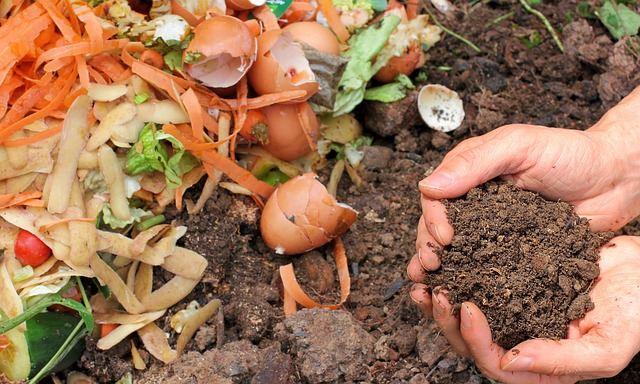
Learn how to compost at home with this beginner friendly guide. Discover the benefits of composting, what to add to your compost bin, and how to make nutrient rich compost naturally.
Composting is one of the simplest and most powerful ways to reconnect with nature while reducing household waste.
At Soulroot Botanica, we believe that healthy soil is the foundation of healthy living. Composting transforms everyday kitchen scraps and garden waste into nutrient rich soil that feeds your plants naturally.
If you have ever wondered how to compost at home, this guide will walk you through the process step by step.
What Is Composting
Composting is the natural process of recycling organic matter into a dark, nutrient dense material known as compost.
Microorganisms break down food scraps, leaves, and plant waste over time. The result is a soil like substance that improves soil structure, boosts plant growth, and reduces landfill waste.
Composting is nature’s way of closing the loop.
Benefits of Composting
Understanding the benefits of composting can help you stay consistent.
Composting helps to
• Reduce household waste
• Lower methane emissions from landfills
• Improve soil fertility naturally
• Increase water retention in soil
• Reduce the need for chemical fertilisers
• Support beneficial microbes and earthworms
Healthy soil grows stronger plants. Strong plants require fewer synthetic inputs.
What You Can Compost
Successful composting depends on balance. Compost materials are often divided into two categories: greens and browns.
Greens
These are nitrogen rich materials.
• Fruit and vegetable scraps
• Coffee grounds
• Tea leaves
• Fresh grass clippings
• Plant trimmings
Browns
These are carbon rich materials.
• Dry leaves
• Cardboard
• Newspaper
• Straw
• Wood chips
• Egg cartons
A healthy compost pile needs a mix of both.
What Not to Compost
Avoid adding
• Meat or fish
• Dairy products
• Oily foods
• Pet waste
• Diseased plants
• Glossy or coated paper
These items can attract pests or disrupt the composting process.
How to Start Composting at Home
Step 1: Choose Your Compost Method
You can compost in
• A garden compost bin
• A simple open pile
• A tumbling composter
• A small indoor compost container
• A worm bin for vermicomposting
If space is limited, indoor composting systems can still be effective when managed properly.
Step 2: Create Layers
Start with a layer of browns at the bottom to help with airflow.
Add a layer of greens.
Then alternate between browns and greens.
Aim for roughly two parts brown material to one part green material.
This balance prevents unpleasant odours and supports faster decomposition.
Step 3: Maintain Air and Moisture
Compost needs oxygen and moisture.
Turn your compost pile every 1 to 2 weeks to introduce air.
Keep it damp like a wrung out sponge, not soaking wet.
Too dry slows the process. Too wet creates smell.
Step 4: Be Patient
Depending on conditions, compost can take anywhere from two to six months to fully mature.
Finished compost will look dark, crumbly, and earthy with no strong odour.
How to Use Finished Compost
Once your compost is ready, you can use it to
• Enrich garden beds
• Feed potted plants
• Improve vegetable gardens
• Top dress lawns
• Mix into seed starting soil
Compost strengthens roots, improves drainage, and increases microbial life in soil.
Composting Tips for Beginners
If you are new to composting, remember
• Chop scraps into smaller pieces to speed up breakdown
• Keep a small kitchen container for daily scraps
• Cover fresh food waste with browns to reduce smell
• Avoid overthinking it, composting is a natural process
Nature knows what to do. You are simply supporting it.
Composting as a Lifestyle Practice
Composting is not just about waste reduction. It is about responsibility.
When you compost, you shift from consumption to contribution. You return nutrients back to the earth rather than sending them to landfill.
At Soulroot Botanica, we believe healing begins with the soil. The health of our plants, our food, and ultimately our bodies depends on it.
Composting is a small act with long term impact.
Want to see more posts in this category? Click the link below!
 SoulRoot Botanica
Leave a comment