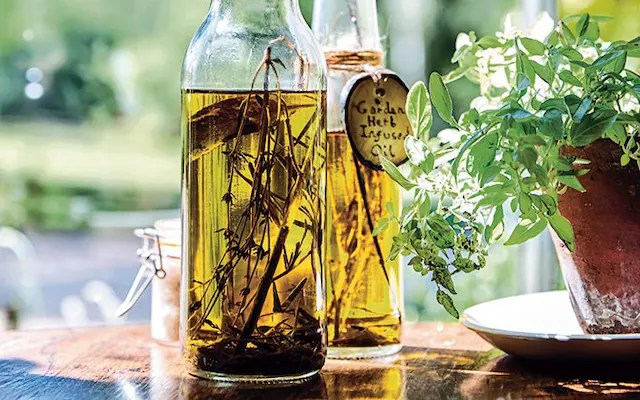
Explore ancient hair growth herbs and simple ways to use plants to support stronger, healthier hair naturally.
Immunity is often discussed only when it feels compromised. Yet the immune system is not simply a defence mechanism that switches on during illness. It is an ongoing process of balance, adaptation, and recovery that responds to how we live day to day.
Rather than viewing immunity as something to boost aggressively, a more sustainable approach is to support it gently and consistently. This is where plants have traditionally played a central role.
Across cultures, herbs have been used not as emergency interventions, but as daily allies that help the body respond more effectively to stress, seasonal changes, and environmental demands.
Rethinking Immune Health
The immune system is closely linked to sleep quality, stress levels, digestion, and overall nervous system regulation. When the body is depleted or overstimulated, immune responses can become either weakened or overactive.
Plant based support tends to work indirectly. Many immune supporting herbs help reduce inflammation, provide antioxidants, or support recovery rather than forcing a heightened immune response.
This distinction matters. Long term resilience is built through regulation, not constant stimulation.
Herbs Traditionally Used for Immune Support
Certain plants have appeared repeatedly in traditional medicine systems as immune allies.
Elderberry has long been used seasonally to support the body during periods of increased demand. It is rich in compounds associated with antioxidant activity.
Echinacea is often discussed in relation to immune responsiveness. Traditionally, it has been used for short periods rather than continuously.
Astragalus is valued in traditional practices for long term immune support, particularly during times of fatigue or stress.
Nettle provides gentle nutritional support and has historically been used to strengthen the body over time.
These herbs do not work in isolation. Their effects are cumulative and most noticeable when paired with rest, nourishment, and consistency.
Daily Practices That Support Immunity
Supporting immunity does not require complex routines. Often, the simplest practices are the most effective.
This may include:
- Drinking herbal infusions regularly rather than only when unwell
- Cooking with warming herbs and spices
- Allowing for rest during periods of stress or seasonal transition
These practices reinforce the body’s natural ability to regulate itself.
A Balanced Perspective
Herbal support is not a replacement for medical care, nor does it eliminate the need for foundational health practices. Its role is supportive, preventative, and complementary.
At Soulroot Botanica, immunity is viewed as a relationship with the body rather than a battle against illness. When the body is supported consistently, resilience becomes a natural outcome rather than a forced goal.
Plant Powered Hair Growth
Ancient Herbal Traditions for Scalp and Hair Health
Hair has held cultural, spiritual, and personal significance for centuries. In many traditions, it has been viewed as an extension of vitality and identity, which is why herbal hair care has such deep roots across cultures.
Before modern formulations, hair health was supported through plants, oils, and slow, intentional care. These practices focused not on quick results, but on long term scalp health and nourishment.
Hair Growth Begins at the Scalp
Healthy hair growth depends largely on scalp condition. Circulation, hydration, inflammation levels, and overall skin health all influence how hair grows and how long it remains strong.
Herbal approaches focus on creating an environment where hair can grow naturally, rather than forcing growth through stimulation alone.
Herbs Traditionally Used for Hair Support
Amla has been used traditionally to strengthen hair and support scalp health. It is valued for its nourishing and conditioning properties.
Bhringraj is often associated with hair vitality and has been used in oil infusions to support thickness and longevity.
Hibiscus has traditionally been used to support moisture, elasticity, and shine.
Nettle provides mineral support and has historically been used to strengthen hair at the root.
These herbs are most effective when used consistently over time, often through oils, rinses, or masks.
Hair Care as a Ritual
Herbal hair care invites a slower approach. Oil massage, warm rinses, and plant based masks turn hair care into a grounding practice rather than a rushed routine.
This slowness matters. Stress and tension can impact scalp health just as much as external products. When hair care becomes intentional, the body often responds more positively.
Managing Expectations
Hair growth is influenced by many factors including genetics, hormones, nutrition, and stress. Herbs do not override these factors, but they can support balance and resilience within them.
At Soulroot Botanica, hair care is viewed as an extension of self care. When the scalp is supported and respected, hair growth becomes a natural response rather than something to force.
Houseplants With Hair Supporting Benefits
Bringing Plant Care Into Daily Self Care
Houseplants are often chosen for aesthetics, but their presence can influence wellbeing in subtle ways. From improving air quality to supporting mood and focus, plants shape the environments we spend the most time in.
Some plants also bridge the gap between home care and personal care, offering both visual grounding and practical use.
The Environment and Hair Health
Stress, air quality, and environmental dryness can all affect scalp and hair condition. Creating a calmer, more balanced living space supports overall wellbeing, which in turn supports hair health.
Plants contribute to this balance by softening spaces, encouraging slower rhythms, and reconnecting us with natural cycles.
Plants That Support Hair Care Rituals
Aloe vera is widely used for scalp hydration and soothing. Growing it at home allows for fresh, minimal processing.
Rosemary can be grown indoors and used in rinses or oil infusions to support circulation.
Mint and basil offer refreshing properties and can be used in herbal preparations for scalp care.
These plants invite intuitive care. Harvesting a leaf or sprig creates a direct connection between plant and practice.
Integrating Plants Into Daily Life
When plants are accessible, self care becomes less of a task and more of a habit. A plant on a windowsill or shelf becomes a reminder to slow down and tend.
This integration removes the separation between wellness routines and everyday living.
A Plant Led Perspective
Houseplants do not replace targeted hair care, but they enhance it by creating supportive environments and accessible rituals.
At Soulroot Botanica, plant led living is about relationship rather than consumption. When plants are part of daily life, care becomes continuous, gentle, and embodied.
If you would like to see more blog posts like this hit one of the buttons below.
 SoulRoot Botanica
Leave a comment