Explore the timeless power of plants and the ancient wisdom they carry. Learn how our earliest healers used herbs and greenery to nurture health and wellbeing.
Before medicine came in bottles, it grew in silence. In the cracks of stone, in the shade of tall trees, at the feet of grandmothers who knew exactly what to pick when the body spoke. Plants were the first healers. The first comforters. The first teachers.
And they still are.
To sit with a plant is to sit with memory. Whether it is the sting of nettle, the calm of chamomile, or the bold fire of ginger, each one carries a voice. And that voice does not rush. It teaches us to return to the pace of the earth.
Plants as Relationship, Not Just Remedy
When we think of healing, we often think of fixing. But plants are not quick fixes. They ask for presence. They work slowly, over time, inviting us to notice how we feel, what we eat, how we move, and even how we breathe.
To work with a plant is to build a relationship. That means learning its name, its energy, how it grows, and what it has to offer. It means honouring the harvest, taking only what is needed, and remembering to say thank you.
A Few Plant Allies to Know and Grow
Nettle
Rich in iron and minerals, nettle supports the blood, kidneys, and joints. Regular use strengthens the body over time. Sharp when touched, yet deeply generous when handled with care, nettle can be enjoyed daily as a nourishing infusion.
Lemon Balm
A gentle herb for anxious hearts and restless minds, lemon balm soothes the nervous system and aids digestion. Easy to grow and welcoming to touch, it makes a calming evening tea or a refreshing addition to your bath.
Calendula
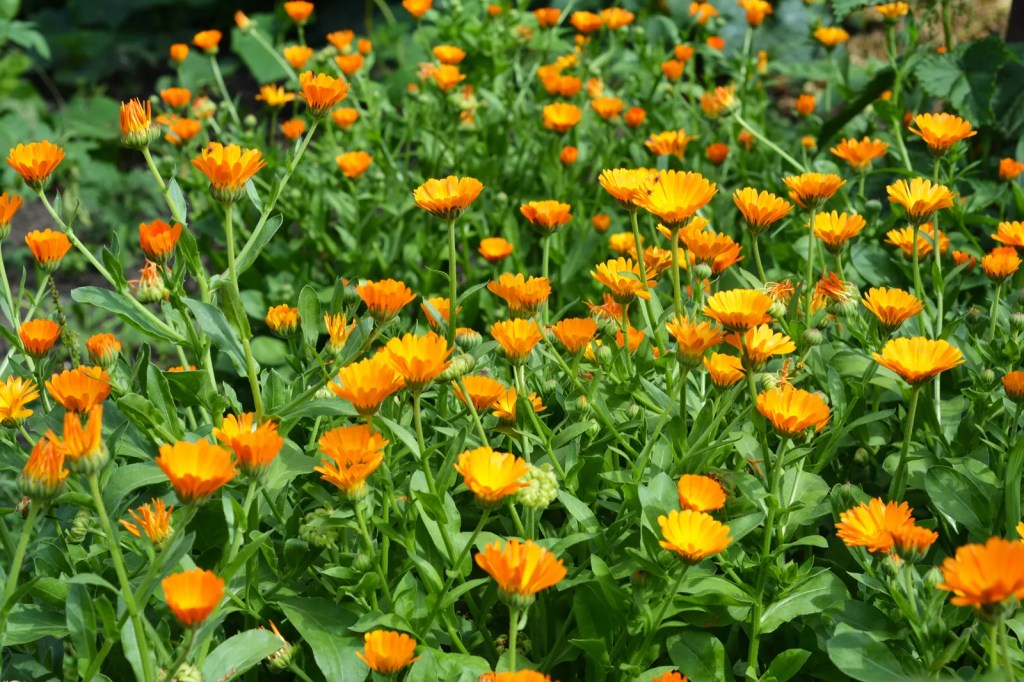
Bright gold blossoms that support skin health and the lymphatic system. Calendula is gentle yet powerful—perfect for infusing into oils for balms or drinking as tea to boost immunity and internal healing.
Burdock Root
Deep and grounding, burdock root cleanses the blood and supports liver function. Working beneath the surface, it helps the body release what it no longer needs, making it a beautiful ally during times of transition and change.
Tulsi (Holy Basil)
An adaptogen that promotes balance in the body, tulsi helps lift the mood, calm the heart, and sharpen the mind. Sip it as a tea or blend with other herbs during stressful periods for holistic support.
Plants Remember What We Forget
They remember stillness. They remember rhythm. They remember how to respond rather than react. When we make space for them in our lives, we begin to shift too. We soften. We slow. We begin to listen to the subtle ways the body speaks.
Plants do not just heal the body—they heal the relationship between us and the natural world. And that, in itself, is medicine.
A Living Practice
Working with plants is not just something we do. It is a way of being. It is lighting a candle before preparing tea. It is whispering gratitude as you pick fresh leaves. It is noticing which plants call to you in each season. It is remembering that wellness is not outside of you—it is in the garden, in the kitchen, in your breath.
Final Thoughts
Plants are not here to save us. They are here to support us as we learn how to return to ourselves. Each leaf, root, and petal holds a story. A medicine. A memory.
At Soulroot Botanica, we walk with plants as our elders. We honour their presence in every oil, every blend, every ritual. And we invite you to walk with them too—not as trends or tricks, but as companions, as wisdom keepers, as reminders that healing grows close to the ground and begins, always, in reverence.
Want to see more posts in this category? Click the link below!
 SoulRoot Botanica
Leave a comment