Learn how to make and use herbal tinctures with this beginner’s guide, unlocking the natural benefits of plants for wellness and healing.
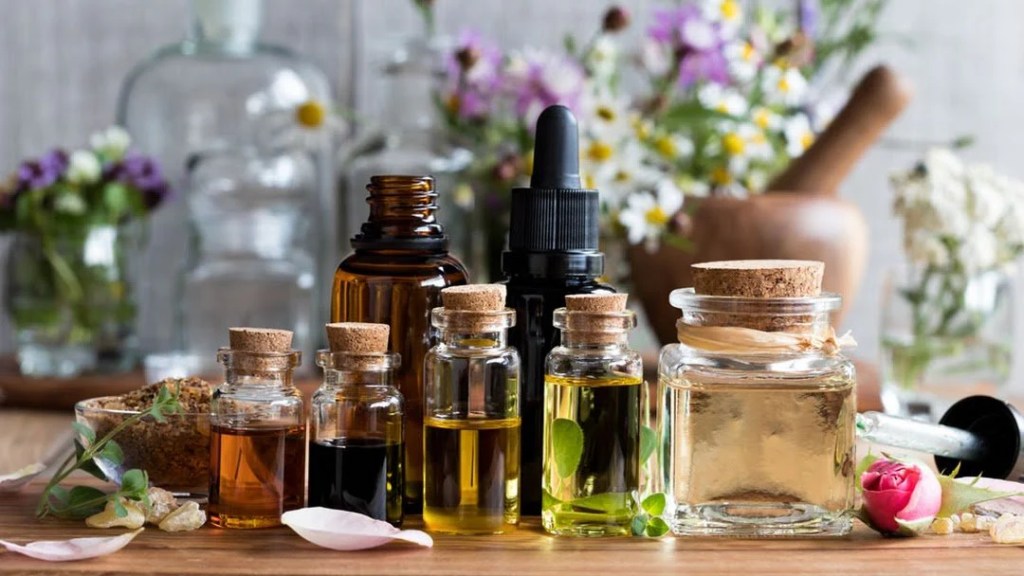
In the world of natural wellness, tinctures are a quiet yet powerful presence. Small, concentrated, and often housed in dark glass bottles, these herbal extracts have been used for centuries to support the body, mind, and spirit. If you are just beginning your journey with plant medicine, tinctures can be a beautiful and accessible place to start.
This guide will walk you through what tinctures are, how they are made, and how to use them safely and effectively.
What is a Tincture?
A tincture is a liquid extract made by soaking herbs in alcohol or another natural solvent like vegetable glycerin or apple cider vinegar. This process pulls out the active compounds from the plant, preserving them in a concentrated form that can be taken in small doses.
Tinctures are typically made using dried or fresh herbs, and the finished product captures both the essence and medicinal qualities of the plant.
Why Use Tinctures?
Tinctures are popular for many reasons. They are shelf stable, easy to store, and convenient to use. Unlike teas, which need to be brewed, tinctures are taken in small drops and absorb quickly into the body. This makes them ideal for busy routines or for those who need quick, on the go support.
Tinctures can be used for a wide range of needs, including:
- Immune support
- Calming the nervous system
- Supporting digestion
- Easing menstrual discomfort
- Supporting sleep
How to Take a Tincture
Tinctures are usually taken by placing a few drops under the tongue or adding them to a small amount of water or tea. This allows the herbal properties to enter the bloodstream quickly.
Always start with a small dose, usually between 10 to 30 drops depending on the herb and your sensitivity. Read the label or follow the guidance of a trained herbalist. Not all herbs are safe for everyone, especially during pregnancy or while taking prescription medication.
Making Your Own Tinctures
If you feel inspired, making tinctures at home is a rewarding and simple process. Here is a basic overview:
- Choose your herb. Dried herbs are easier to source and work with, but fresh ones can also be used.
- Fill a clean glass jar about one third full with the herb.
- Pour alcohol (typically vodka or brandy) over the herb until the jar is full.
- Seal the jar and store it in a cool, dark place for four to six weeks, shaking it gently every few days.
- After steeping, strain the liquid into a dropper bottle. This is your finished tincture.
Label it with the name of the herb and the date, and store it out of direct sunlight.
A Few Popular Tinctures to Explore
- Elderberry: Great for immune support, especially in colder months
- Chamomile: Calms nerves and supports digestion
- Ashwagandha: Adaptogenic herb for stress and fatigue
- Valerian Root: Promotes restful sleep
- Ginger: A warming herb that supports digestion and circulation
Final Thoughts
Tinctures are a quiet way to bring nature’s wisdom into everyday life. With just a few drops, you are inviting the essence of the plant into your body and routine. Like all natural remedies, the key is consistency, respect for the plant, and listening to how your body responds.
Whether you choose to buy a tincture from a trusted herbalist or create your own in the kitchen, you are stepping into a tradition rooted in connection, simplicity, and care.
Want to see more? Check the other posts in this category!
 SoulRoot Botanica
Leave a comment