Learn how to propagate medicinal plants at home with this beginner-friendly guide. Discover simple techniques to grow your own natural remedies for health and wellness.
Growing your own medicinal plants can be a deeply rewarding and empowering experience. These plants not only offer natural support for your health, but learning how to propagate them gives you a sustainable way to expand your garden and share with others. Whether you are working with herbs like mint, basil, or lavender, or more robust plants such as aloe vera or echinacea, propagation is simple once you understand the basics.
Here’s a step-by-step guide to help you get started.
1. Choose the Right Plant
Start with a plant known for its healing properties and that grows well in your environment. Beginner-friendly options include:
- Peppermint
- Lemon balm
- Rosemary
- Aloe vera
- Calendula
These plants respond well to propagation and generally require minimal maintenance.
2. Understand the Method
Different plants propagate in different ways. Some do best from cuttings, others from division, and some from seed.
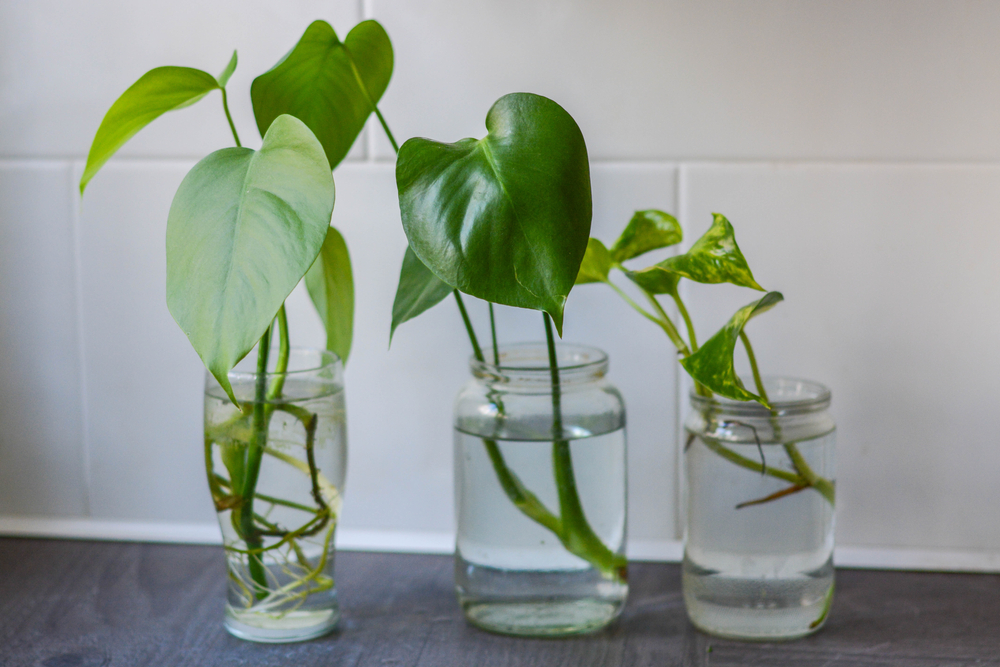
- Stem cuttings: Mint, basil, and rosemary can be rooted in water or directly in soil.
- Root division: Lemon balm and echinacea grow in clumps that can be gently separated and replanted.
- Offsets: Aloe vera produces small shoots around the base of the plant that can be removed and potted individually.
3. Use Clean Tools and Containers
Healthy propagation begins with clean surroundings. Make sure your scissors or knife are clean and sharp. Always use fresh soil and a clean pot to reduce the risk of disease or fungus.
4. Provide the Right Conditions
Most cuttings need a warm, bright spot but not direct sunlight. Keep the soil or water moist but not soggy. Roots usually begin to form within one to two weeks, depending on the plant. Be patient and avoid overwatering.
5. Transplant and Care
Once your cutting has developed a strong root system, move it into a larger pot or into your garden. Continue to care for your plant by providing water, light, and occasional natural fertilisers such as compost or worm castings.
6. Observe and Learn
Each plant has its own rhythm and personality. Spend time with them and notice how they respond to light, water, and pruning. Propagating plants is more than a task; it is a conversation with nature. The more you observe, the more intuitive the process becomes.
Final Thoughts
Propagating medicinal plants is not just gardening—it’s about reclaiming knowledge, nurturing wellness, and connecting with the earth in a simple yet powerful way. With patience and care, your windowsill or backyard can become a small sanctuary filled with living remedies.
Whether you are sharing a rooted basil cutting with a neighbour or harvesting your own lemon balm for tea, each act is a step toward a more grounded and natural way of living.
Want to see more posts in this category? Click the link below!
 SoulRoot Botanica
Leave a comment