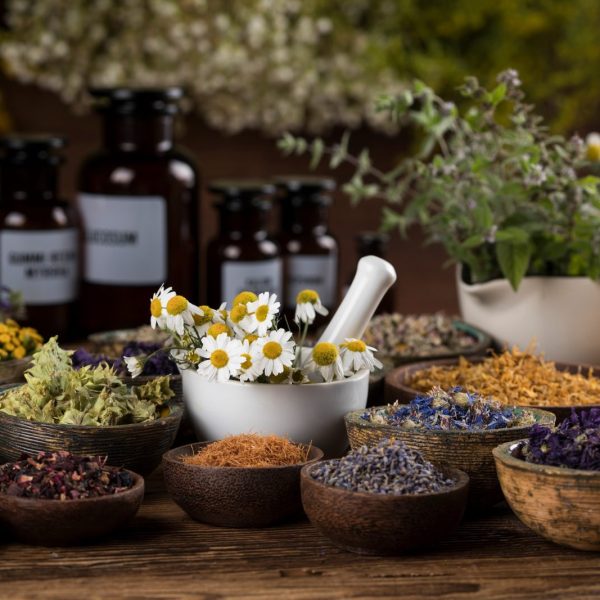
Learn how to build a basic herbal first aid kit with natural remedies to support everyday cuts, scrapes, and minor ailments at home.
A well stocked herbal first aid kit is a simple way to stay prepared for common health concerns using natural remedies. Whether you are at home, travelling, or spending time outdoors, having a collection of trusted herbs on hand allows you to treat minor issues like cuts, burns, headaches, and digestive upset without synthetic products.
Here is a practical guide to building your own herbal first aid kit using easily available ingredients and tools.
What to Include in Your Herbal First Aid Kit
1. Antiseptic Herbs
These help clean wounds, prevent infection, and support healing.
- Calendula: Antibacterial and anti inflammatory, ideal for cuts, scrapes, and minor burns.
- Lavender: Calms the skin and helps prevent infection while promoting relaxation.
- Tea Tree: Strong antimicrobial that can be diluted and used for bites or stings.
2. Digestive Support
Herbs that calm the stomach and ease indigestion.
- Peppermint: Soothes nausea and bloating. Use as a tea or tincture.
- Ginger: Effective for motion sickness, gas, or cramps. Can be used fresh, dried, or as a powder.
- Chamomile: Helps calm the digestive system and also supports sleep.
3. Pain and Inflammation Relief
Natural support for sore muscles, bruises, and headaches
- Arnica cream or oil: Great for bruises, sprains, and muscle pain.
- White willow bark: Contains natural salicylates that can relieve mild pain.
- Turmeric powder or capsules: Reduces inflammation and supports joint comfort.
4. Skin Soothing and Burn Relief
Herbs that calm irritation and promote skin repair.
- Aloe vera gel: A must have for burns, bites, or rashes.
- Plantain: Can be used fresh or dried to soothe insect bites and small cuts.
- Comfrey: Known as “knitbone,” it supports tissue regeneration but should not be used on deep wounds.
5. Respiratory and Immune Support
These herbs help you fight colds, coughs, and seasonal symptoms.
- Elderberry syrup: Antiviral and immune boosting. Great for early cold symptoms.
- Eucalyptus oil: Can be inhaled for congestion or mixed into a chest rub.
- Thyme: Antimicrobial and helpful for coughs and sore throats. Use in teas or steam inhalations.
6. Stress and Sleep Support
To calm the body in moments of anxiety or tension.
- Lemon balm: Uplifting and gentle, great for restlessness or nervous tension.
- Passionflower: Helps quiet the mind and support sleep.
- Chamomile: Soothes both the body and the mind.
Essential Tools and Supplies
- Small glass jars or tins for salves and creams
- Dropper bottles for tinctures
- Empty tea bags or muslin cloth for making compresses
- Bandages, gauze, and tape
- A small notebook with herbal dosage guidelines and notes
How to Store Your Kit
Keep your kit in a cool, dry place away from direct sunlight. Label everything clearly with the name and date. Dried herbs and tinctures can last up to one year when stored properly. Make sure to check and replace items as needed.
You can customise your kit depending on your lifestyle. If you travel often, include motion sickness remedies and immune boosters. If you hike or camp, pack more topical and wound healing herbs.
Final Note
A basic herbal first aid kit is not a replacement for emergency medical care, but it is a powerful tool for everyday wellness. Learning how to use herbs gives you greater independence, and it helps reconnect you with the wisdom of natural healing.
Looking for more ways to work with herbs at home? Explore our blog for guides on salves, teas, infusions, and herbal remedies that support your everyday life naturally.
Want to see more? Check the other posts in this category!
 SoulRoot Botanica
Leave a comment