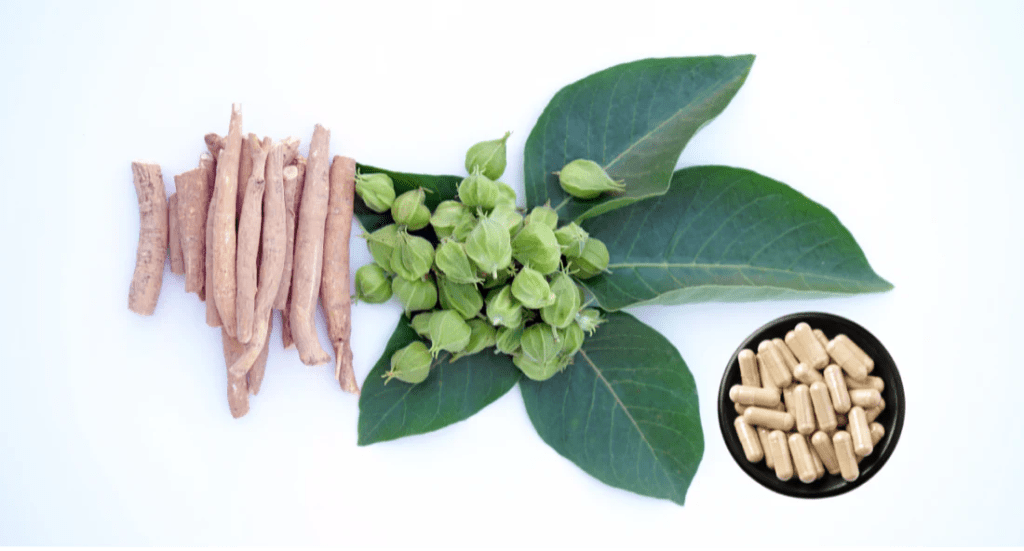
Explore how adaptogens such as ashwagandha can support hair regrowth, reduce stress-related hair loss, and promote stronger, healthier hair naturally.
Hair loss can be frustrating, especially when it is linked to chronic stress, hormonal shifts, or internal imbalances. While topical products may help temporarily, long term regrowth often requires support from within. This is where adaptogens come in.
Adaptogens are a class of herbs known for their ability to help the body respond to stress and restore internal balance. One of the most widely studied and used adaptogens is ashwagandha, a root that has been used in Ayurvedic medicine for centuries.
In this post, we explore how ashwagandha and other adaptogens may support hair regrowth by targeting the root causes of hair loss.
What Are Adaptogens?
Adaptogens help the body adapt to physical, emotional, and environmental stress. They support the adrenal glands and regulate the release of cortisol, the body’s main stress hormone.
When stress is ongoing or poorly managed, cortisol levels remain elevated. This can disrupt hormones, weaken immunity, affect digestion, and interfere with the natural hair growth cycle.
Adaptogens promote balance by helping the nervous system settle, supporting hormone regulation, and building resilience over time.
Why Ashwagandha?
Ashwagandha is especially beneficial when hair loss is linked to stress, thyroid imbalance, or inflammation. Packed with compounds that support endocrine function, calm the stress response, and reduce anxiety, it works from within to create conditions for healthier hair growth.
Key Ways Ashwagandha Supports Hair Regrowth
Boosts Circulation and Scalp Health
By reducing stress and enhancing blood flow, ashwagandha may help deliver more oxygen and nutrients to the scalp, promoting thicker, stronger hair strands.
Balances Cortisol Levels
Chronically high cortisol can stall hair growth or cause thinning. Ashwagandha helps normalize cortisol naturally, supporting hormonal balance and healthier follicles.
Supports Thyroid Health
Underactive thyroid function is a common contributor to hair thinning. Ashwagandha may help regulate thyroid function, improving energy, metabolism, and hair growth over time.
Reduces Inflammation
Internal and scalp inflammation can impair nutrient delivery to hair follicles. Antioxidant compounds in ashwagandha help calm inflammation, supporting optimal follicle function.
How to Use Ashwagandha for Hair Health
Ashwagandha can be taken daily in several ways:
- Capsules or tablets: Easy to dose consistently
- Powder: Can be added to warm drinks like plant milk or smoothies
- Tincture: A liquid extract that absorbs quickly into the bloodstream
For best results, take ashwagandha consistently for several weeks. It is generally well tolerated, but always check with a health practitioner if you are pregnant, on medication, or managing a health condition.
Complementary Adaptogens and Herbs
While ashwagandha is a strong foundational adaptogen, other herbs may also support hair health:
- Tulsi (holy basil): Supports immunity and stress reduction
- Rhodiola: Increases energy and mental clarity
- Nettle leaf: Rich in minerals that feed the hair
- Horsetail: Contains silica for stronger strands and nail health
A Holistic Approach to Hair Regrowth
No herb works in isolation. True support for hair regrowth involves a holistic approach including:
- A nutrient rich diet
- Proper hydration
- Regular scalp massage
- Gentle natural hair care
- Emotional wellbeing and stress reduction
Adaptogens like ashwagandha offer inner support that helps the body return to balance. Over time, this shift can lead to fuller, healthier hair that reflects the positive changes happening within.
Want to see more posts in this category? Click the link below!
 SoulRoot Botanica
Leave a comment