Discover five powerful medicinal weeds growing right under your nose. Learn how to identify, harvest, and use these natural remedies for health and wellness.
When most people see weeds in their garden or along the pavement, they think of them as a nuisance. But many of these wild plants are actually powerful sources of natural medicine. These weeds often go unnoticed, yet they have been used for centuries in traditional healing for everything from digestion to inflammation. The best part is that they are often free and grow abundantly without any effort.
Here are five common weeds that carry impressive health benefits and may be growing right outside your door.
1. Dandelion (Taraxacum officinale)
Every part of the dandelion is useful. The leaves support digestion and act as a natural diuretic, the roots help detox the liver, and the flowers are rich in antioxidants. Dandelion is packed with minerals like potassium and iron and is often used in herbal teas, tinctures, and even food. It can help with water retention, liver congestion, and mild constipation.
How to use it: Brew the dried root as a tea or use the fresh leaves in a salad.
2. Plantain (Plantago major)
This is a low growing plant with broad, ribbed leaves that you can often find on lawns or pathways. It has natural antimicrobial and anti inflammatory properties. It is commonly used for soothing cuts, bites, rashes, and even digestive discomfort. When applied directly to the skin, it can speed up healing.
How to use it: Chew a fresh leaf and apply it to insect bites or minor wounds, or dry the leaves for infusions and poultices.
3. Chickweed (Stellaria media)
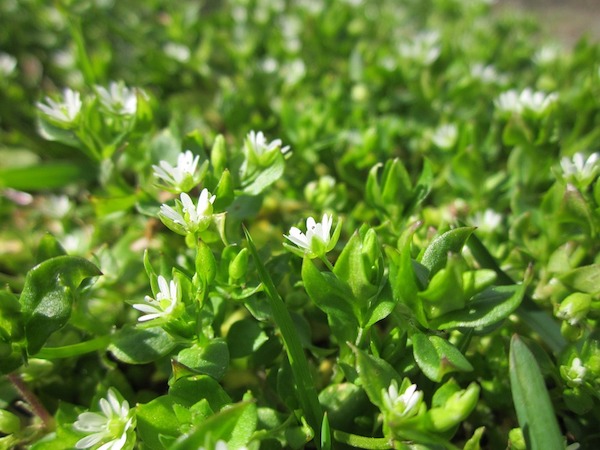
Chickweed is a tender plant with small white flowers and succulent leaves. It is rich in vitamins and minerals and has cooling and soothing effects. Traditionally, it is used to relieve skin irritation and itching, support weight balance, and ease inflammation.
How to use it: Use fresh chickweed in salads or steep it in oil to create skin soothing balms.
4. Cleavers (Galium aparine)
Also known as sticky weed, cleavers cling to clothing and other plants. Internally, they are known for gently supporting the lymphatic system and helping the body eliminate waste. Cleavers are often used to support the kidneys and urinary tract as well.
How to use it: Make a cold infusion by soaking the fresh plant overnight in water and sipping it the next day.
5. Red Clover (Trifolium pratense)
With its purple pink flowers and trifoliate leaves, red clover is easy to spot in fields and open areas. It is high in phytoestrogens and is often used to support hormone balance, particularly in women. It also has blood cleansing and anti inflammatory properties.
How to use it: Dry the blossoms and use them in teas or blend them into herbal formulas.
A Note on Harvesting
Before picking any wild plants, be sure they are growing in a clean area, free from pesticides or roadside pollution. Always identify them with certainty and use a field guide if needed. Start small, especially if you are new to herbal remedies, and pay attention to how your body responds.
Closing Thoughts
These common weeds are often seen as throwaway plants, but they offer a quiet kind of wisdom. Learning to work with them not only connects you with nature but also brings you closer to a more sustainable and accessible approach to wellness.
You do not need to go far or spend much to begin. Sometimes, healing is growing right beneath your feet.
Want to see more posts in this category? Click the link below!
 SoulRoot Botanica
Leave a comment