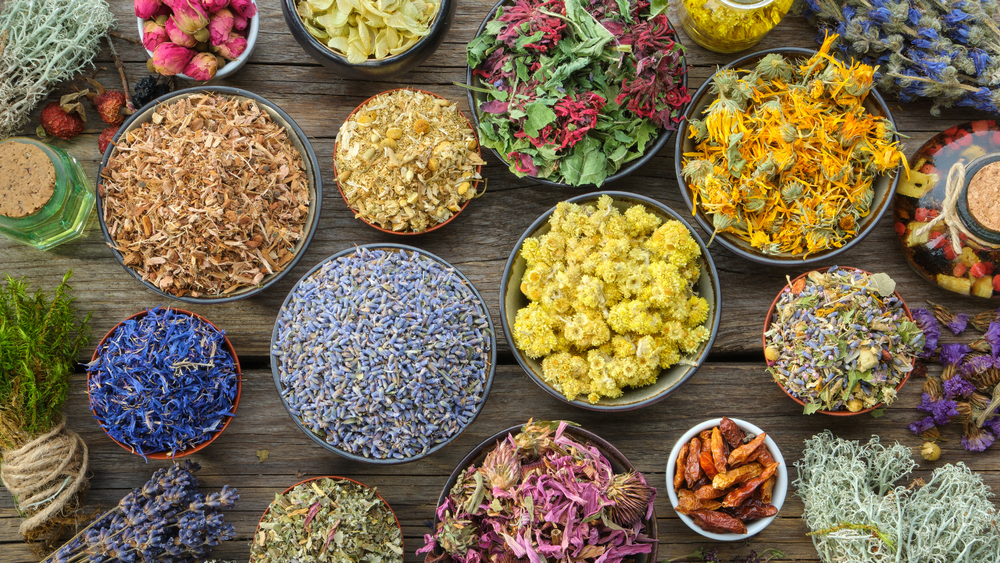
Learn how everyday herbs and spices can help rebalance your gut, support digestion, and promote overall wellness naturally.
Simple Tools for Digestive Wellness
Maintaining a healthy gut is essential for overall wellbeing. The gut plays a central role in digestion, nutrient absorption, immune function, and even mood regulation. While probiotic supplements and specialized diets are often recommended, many everyday herbs and spices offer effective and affordable support for digestive health.
This guide explores commonly used culinary herbs and spices that can help support and rebalance the gut.
Why Gut Balance Matters
The gut microbiome is a complex ecosystem of bacteria, fungi, and other microorganisms. When this balance is disrupted by poor diet, stress, antibiotics, or illness, it can lead to symptoms such as:
- Bloating and gas
- Constipation or diarrhea
- Indigestion
- Food sensitivities
- Weakened immunity
Restoring gut balance does not always require extreme measures. Small adjustments using familiar herbs can provide meaningful support.
Everyday Herbs and Spices That Support Gut Health
1. Ginger
Ginger is one of the most widely used digestive herbs. It stimulates digestive enzymes, supports gastric emptying, and helps reduce nausea and bloating. A simple ginger tea or grated fresh ginger in meals can offer daily benefits.
2. Turmeric
Curcumin, the active compound in turmeric, has anti inflammatory and antimicrobial properties. It helps soothe the digestive tract and may support gut barrier function. Combining turmeric with black pepper enhances absorption.
3. Fennel Seeds
Fennel seeds relax the muscles of the gastrointestinal tract, making them useful for relieving cramping, gas, and indigestion. They are often chewed after meals or steeped in hot water for a digestive tea.
4. Cinnamon
Cinnamon helps regulate blood sugar and encourages proper digestion. It also has antimicrobial effects that can support microbial balance in the gut. It pairs well with oats, teas, and warm dishes.
5. Oregano
Oregano has natural antimicrobial properties that help control the overgrowth of unwanted gut bacteria. It is especially helpful in cases of imbalance related to dysbiosis or yeast overgrowth. Both fresh and dried oregano can be used in cooking or as tea.
6. Peppermint
Peppermint relaxes the smooth muscles of the gastrointestinal tract. It is commonly used to relieve bloating, gas, and discomfort associated with irritable bowel symptoms. Peppermint tea is a convenient way to support digestion throughout the day.
7. Cumin
Cumin stimulates digestive enzyme activity and can support regular bowel movements. It is often used in traditional spice blends to improve overall gut function.
How to Use These Herbs and Spices Daily
- Add to meals: Include at least one gut supportive spice in your daily cooking.
- Use herbal teas: Steep fresh or dried herbs like ginger, fennel, or peppermint for soothing teas.
- Create spice blends: Mix turmeric, cumin, and coriander for a simple digestive tonic blend.
- Support meals with tonics: Try a cup of warm ginger or cinnamon tea after a heavy meal.
- Use with mindfulness: Eat slowly and chew well to support proper breakdown and absorption.
When to Seek Additional Support
While herbs can support gut balance, persistent symptoms such as chronic bloating, pain, or irregular bowel habits may require further evaluation. Working with a nutritionist or herbalist can help identify the root cause and tailor support accordingly.
Conclusion
Rebalancing the gut does not have to be complicated. With consistent use of familiar herbs and spices, you can naturally support digestion, reduce discomfort, and encourage a healthier microbiome. These tools are affordable, accessible, and easy to integrate into everyday meals.
Want to see more? Check the other posts in this category!
 SoulRoot Botanica
Leave a comment