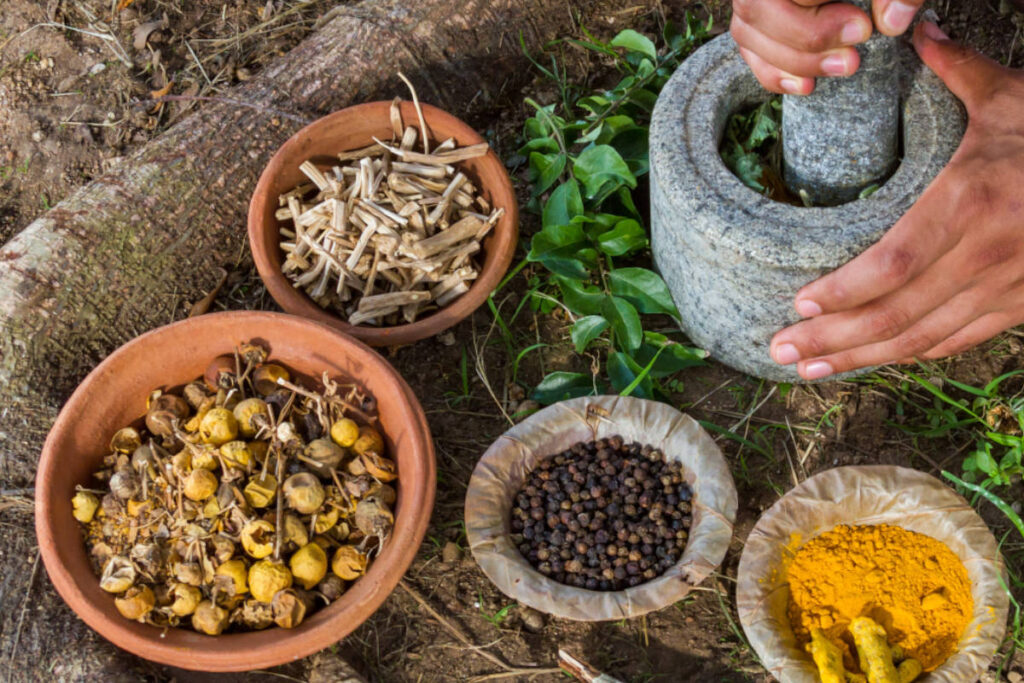
Explore natural herbs that support hair regrowth and strengthen strands affected by stress or hormonal changes. Learn how to restore healthier, fuller hair naturally.
Hair loss is more than just a cosmetic concern. For many, it is a sign of something deeper going on inside the body. Stress, hormonal changes, and nutritional imbalances can all affect the health of your hair. When the body is overwhelmed or out of sync, it often reflects in how our hair grows, sheds, and feels.
Understanding how to support your system from within can make a significant difference. Herbal remedies offer a gentle but effective way to help the body come back into balance and promote stronger, healthier hair.
Why Stress and Hormones Impact Hair Growth
Stress triggers the release of cortisol which can throw off other hormones in the body. This can disrupt the natural growth cycle of hair causing more shedding or slower regrowth. Similarly, conditions like thyroid dysfunction, polycystic ovary syndrome, or chronic inflammation can all contribute to hair thinning or loss.
These internal imbalances need to be addressed before hair can truly thrive again. That is where herbs come in.
Herbs That Support Hormone Balance and Hair Growth
These herbs are known for supporting the nervous system, regulating hormones, and nourishing the body to support hair growth from within.
Nettle Leaf
Nettle is packed with iron, silica, and vitamin C which are all essential for strong hair. It supports healthy blood flow to the scalp and can be used as tea, tincture, or capsule. It also supports gentle detoxification which helps keep hormones in balance.
Ashwagandha
An adaptogen that helps reduce the effects of stress by calming the nervous system. When cortisol levels are high for too long the body struggles to maintain hormonal balance. Ashwagandha helps regulate this response and supports adrenal recovery.
Saw Palmetto
Often used for hormonal imbalance especially in conditions with high androgen levels. Saw palmetto may help reduce the impact of DHT which is a hormone linked to hair thinning.
Horsetail
This plant contains high amounts of silica which supports the strength and structure of hair strands. It is commonly used to encourage growth and improve texture when taken as tea or in capsule form.
Spearmint
Research shows that spearmint may help reduce androgen levels which can be helpful for those dealing with hormone related hair loss. Drinking spearmint tea regularly may also support clearer skin and better overall hormonal balance.
Licorice Root
Known for supporting adrenal health and calming inflammation. Licorice root can ease the stress response and also improve scalp conditions which may be contributing to hair loss.
Topical Plant Based Support for the Scalp
Using herbal treatments externally can also stimulate the scalp and improve circulation.
- Rosemary oil improves blood flow and is often used to encourage new growth
- Fenugreek seeds can be soaked and blended into a nourishing hair mask
- Bhringraj oil is used in traditional remedies to support thick and shiny hair
- Nettle tea can be cooled and used as a final rinse after washing to strengthen the scalp
Lifestyle Tips to Enhance Results
Pairing herbal remedies with supportive habits can help create lasting changes
- Prioritise restful sleep and wind down before bed
- Reduce caffeine which can raise stress hormones
- Hydrate with mineral rich water throughout the day
- Eat whole foods that are rich in zinc, iron, and protein
- Avoid over styling or using harsh hair products that dry out the scalp
- Practice regular scalp massage to encourage blood flow
Final Thoughts
Hair loss caused by stress or hormonal changes can be addressed with consistency and care. These herbs are not quick fixes but they do offer powerful long term support when used properly. By nourishing the body from the inside and supporting the scalp on the outside you create the right conditions for healthy hair to grow again.
Always speak with a health professional before starting any new herbs especially if you are pregnant nursing or managing a medical condition.
Want to see more posts in this category? Click the link below!
 SoulRoot Botanica
Leave a comment