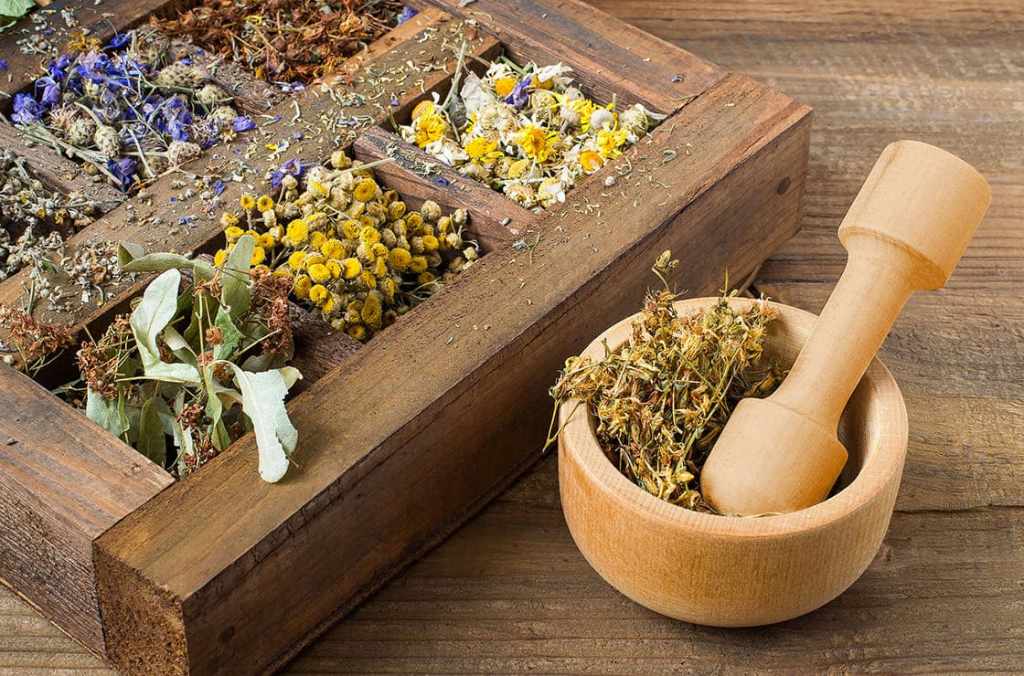
Discover gentle, natural ways to support your body and mind in a soft rebellion against PCOS, promoting balance and well-being every day.
Polycystic Ovary Syndrome (PCOS) is a common hormonal condition that can manifest in different ways, including irregular cycles, fatigue, skin changes, weight fluctuations, mood shifts, and hair thinning. While conventional treatments often focus on symptom suppression, lifestyle and nutritional approaches can support hormonal balance and overall well-being.
Nutritional and Herbal Supports
1. Cinnamon
Cinnamon may help regulate blood sugar levels. Stabilizing blood sugar can reduce insulin spikes, which may help manage androgen levels and support regular menstrual cycles. Cinnamon can be incorporated into oats, teas, smoothies, or warm water.
2. Spearmint Tea
Spearmint has been shown to help lower excess testosterone, potentially improving skin clarity, mood, and ovulation. It may also support liver and digestive function. A typical approach is 1–2 cups daily, especially in the evening.
3. Flaxseeds
Flaxseeds contain lignans, compounds that may help balance estrogen levels. They also provide fiber, supporting gut health and elimination. Ground flaxseeds can be added to smoothies, porridge, soups, or baked goods.
4. Zinc
Zinc is essential for ovarian function, immunity, and tissue repair. Foods high in zinc include pumpkin seeds, lentils, and chickpeas. Wholefood supplementation can also be considered if dietary intake is insufficient.
5. Inositol (Myo- and D-Chiro)
Inositol supports insulin sensitivity and can promote regular menstrual cycles. A combination of myo-inositol and D-chiro-inositol is commonly used, with some studies showing improvements in cycle regularity, mood, and metabolic markers.
6. Turmeric
Turmeric contains anti-inflammatory compounds (curcuminoids) that may support liver function and hormonal metabolism. It can be incorporated into foods or drinks, such as golden milk, often combined with black pepper to enhance absorption.
7. Maca Root
Maca is an adaptogen that may support adrenal function and overall hormone balance. It can be added to smoothies or herbal tonics as needed for energy or mood support.
8. Omega-3 Fatty Acids
Found in flaxseed oil, chia seeds, hemp seeds, walnuts, and fatty fish, omega-3s help reduce inflammation and support healthy hormone production. Daily inclusion may benefit skin, mood, and cognitive function.
9. Magnesium
Magnesium supports sleep, energy production, muscle relaxation, and mood regulation. Sources include dark leafy greens, raw cacao, nuts, seeds, and Epsom salt baths.
10. Herbal Waters and Mineral Infusions
Herbs such as nettle, red clover, and raspberry leaf provide minerals and can support reproductive health and gentle cleansing. Infused waters can be used intermittently as part of a nourishing routine.
Key Takeaways
- PCOS does not have a one-size-fits-all solution; management involves supporting hormonal balance, insulin sensitivity, and overall well-being.
- Lifestyle approaches such as balanced nutrition, herbal support, and nutrient-dense foods can complement medical care.
- Regular monitoring, tracking of cycles, and personalized adjustments are important for long-term results.
Want to see more? Check the other posts in this category!
If this post spoke to something you’ve been moving through, we’d love to hear from you in the comments, or share it with someone you know who needs a little extra care right now. Your story might be the bridge someone else needs.
 SoulRoot Botanica
Leave a comment